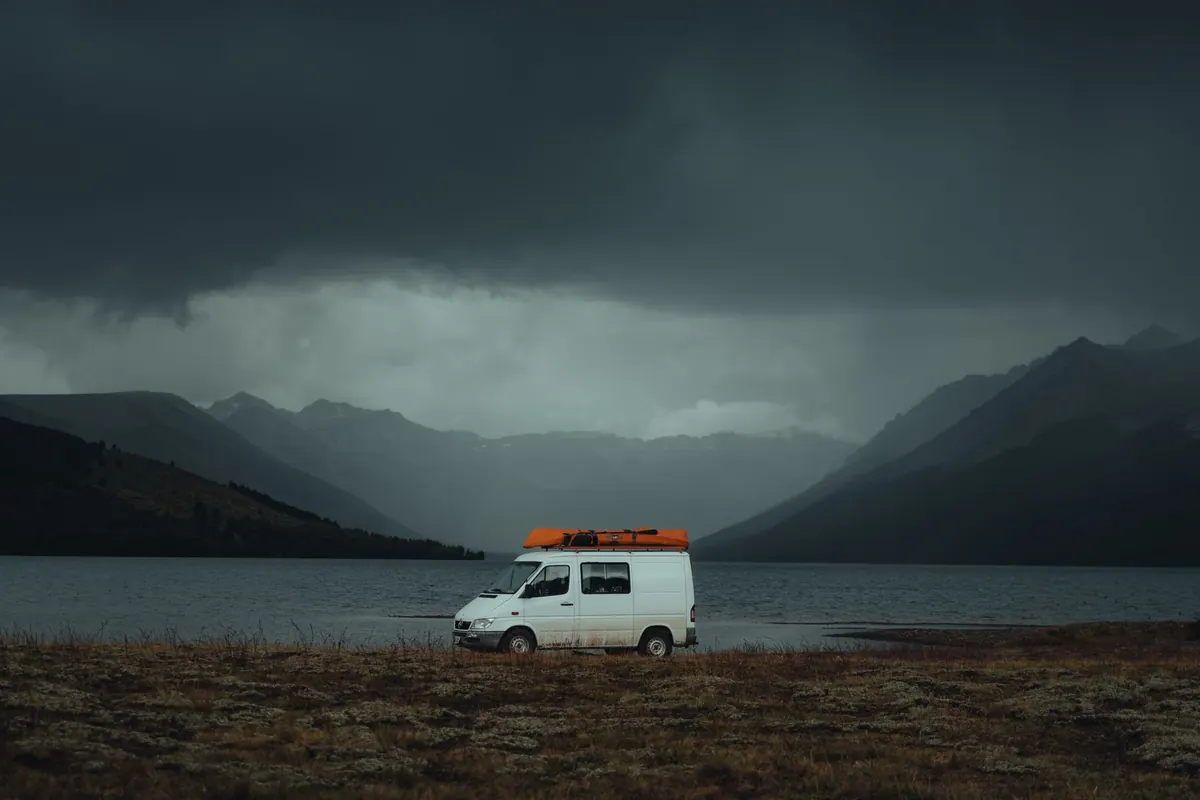
Wild camping in the Lake District feels like a proper adventure: a night on a high fell, the stars, the silence. But it is not a free-for-all. The fells are working landscapes and fragile habitats. A low-impact overnight means knowing the rules, choosing the right spot, and leaving nothing but footprints. This is how to do it well.
The Legal Ground Truth
In England and Wales, wild camping is not a legal right. Except for parts of Dartmoor, you need the landowner’s permission. In the Lake District, the National Park Authority tolerates wild camping in some remote upland areas, but that tolerance is not a blanket permission. It comes with conditions: small numbers, one night, arrive late, leave early, no fires, no mess. Some land, such as National Trust property, may have specific guidance. Always check before you go. If you are unsure, ask the landowner or use a campsite. This article is general guidance, not legal advice; for any specific location, seek current guidance from the Lake District National Park Authority or the landowner.
Pick a Pitch That Can Take It
Fragile upland habitats recover slowly. A tent pitched on moss, lichen or heather for one night can leave a scar for months. Aim for durable ground: rock, gravel, bare earth, or dry grass that is already worn. Avoid tarns and streams; camping close to water pollutes it and disturbs wildlife. Stay above the highest fell wall where possible, and never camp in enclosed fields. If you find an existing pitch, use it. Keep your group small—one or two tents is plenty. A quiet, low-profile pitch is less likely to cause offence and less likely to be noticed.
Plan the Overnight as a Low-Impact Route
Good planning starts at home. Use OS Explorer maps (OL4, OL5, OL6 and OL7 cover the Lake District) to identify paths, access land and potential pitches. Check the weather—MWIS and the Met Office are useful. Tell someone your route and expected return. Aim to walk in late afternoon, pitch at dusk, and leave at first light. That reduces your impact and your visibility. A simple kit list helps:
- Lightweight tent or tarp, with pegs that suit rocky ground
- Sleeping bag rated for the conditions, plus a mat
- Stove and fuel (no fires, no disposable barbecues)
- Water and food, plus a way to carry out all rubbish
- Headtorch, map, compass, and a charged phone with a backup battery
- Trowel or waste bag for human waste
- Warm, waterproof layers—weather changes fast
Campcraft That Leaves No Trace
Arrive late, leave early. Do not dig trenches or move rocks. Cook on a stove; open fires are banned and leave scars. Keep noise down—sound travels in valleys. For toilets, the best practice in fragile upland areas is to carry out human waste in a sealed bag. If you must bury, dig a hole 15–20 cm deep in organic soil, at least 30 metres from water, paths and pitches. Never wash with soap in a stream; carry water away and use a small amount of biodegradable soap. Pack out every wrapper, tea bag and orange peel. Leave the pitch exactly as you found it.
Respect Wildlife, Livestock and Other People
The Lake District is a working landscape. Sheep, cattle and ponies graze the fells. Close gates, keep dogs under control or leave them at home, and do not camp in fields with livestock. Ground-nesting birds such as skylarks and meadow pipits are vulnerable in spring and early summer. If you see a bird behaving as if it has a nest nearby, move on. Other people come to the fells for quiet; keep voices low and avoid bright lights. Follow the Countryside Code: respect, protect, enjoy.
A Sample Low-Impact Overnight
Imagine a Saturday in late summer. You park at a valley car park, pay for the day, and walk up a permitted path. By late afternoon you are above the intake wall. You find a patch of gravel and dry grass, well away from a tarn. You pitch at dusk, cook a simple meal, and watch the light fade. You are asleep by 10pm. At 6am you pack up, check the spot, and walk out. You are back at the car by 8am. No one would know you had been there. That is the goal.
Before You Go: A Quick Checklist
- Check current access and camping guidance for your chosen area.
- Get permission if required; do not assume tolerance.
- Choose a durable pitch, away from water and paths.
- Carry out all rubbish and human waste.
- Use a stove, not a fire.
- Arrive late, leave early, keep it small and quiet.
If you are ever unsure, do not camp. Use a campsite and enjoy the fells by day. Wild camping is a privilege, not a right, and low-impact habits keep it possible for others. For any legal or access questions, check with the Lake District National Park Authority or the landowner.
Photo: Gaspar Zaldo / Pexels