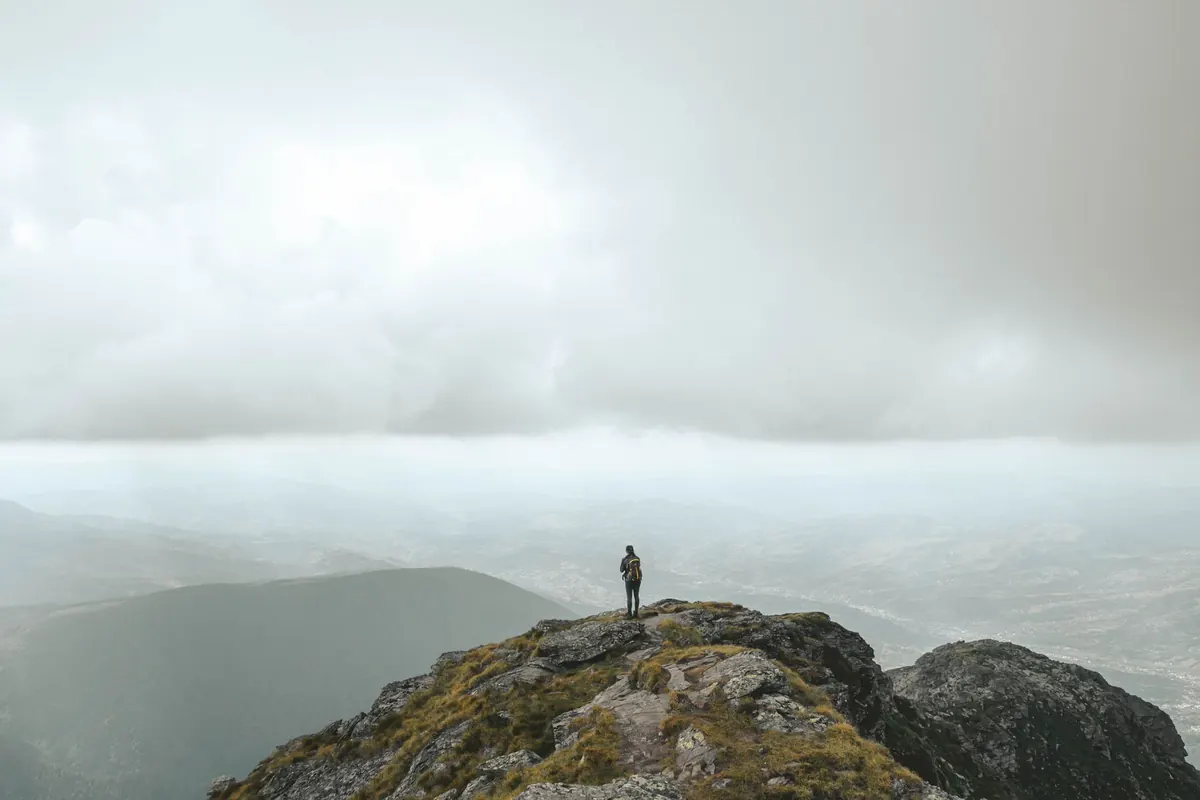
The cloud dropped onto the tops above Kettlewell on the third afternoon, and within twenty minutes I had gone from walking well to standing beside a wall, map in hand, unsure whether it was the wall I thought it was. Three weeks of planning had not prepared me for that feeling.
The fear I packed was not the fear I met
Before I left, I worried about the obvious things. A twisted ankle four miles from a road. A bull in a field. Being caught out on a limestone plateau after dark. Sensible worries, all of them, and none of them arrived.
What arrived was quieter: the discomfort of making small decisions with nobody to check them against. Which side of the wall? A path, or a sheep trod? Eat now or push on to the col? In a group, someone else's confidence carries you through a doubtful ten minutes. Alone, every decision is yours, and the weight of that accumulates by mid-afternoon.
Preparation is mostly about margins
Kit is the easy part, and the internet will happily sell you all of it. Margins are harder, because they are decisions rather than purchases.
A margin is the gap between what you expect and what you have allowed for. If the walk should take six hours, a nine-hour daylight window is a margin. If the map says three kilometres across the moor, assuming ninety minutes rather than forty-five is a margin. If the forecast promises the cloud will lift at noon, knowing what you will do if it does not is also a margin.
Margins are what let you make good decisions when you are tired. Without them, the only options left are the bad ones: press on in fading light, cut a corner, ignore the ache in your knee.
The margins I now build into every day
Some are borrowed from other walkers, some I learned the hard way. All of them are cheap.
- Daylight. Plan to be off the hill two hours before sunset, not at it. In the Dales in autumn, that means an early start and a short day.
- Speed. Tussocks, bogs and stiles slow you more than you expect. Assume a third slower than the map suggests, and be pleased when you are not.
- Escape routes. Mark two ways off the hill on the paper map before you set out — a farm track, a valley road, a bridleway down to a village. Knowing where they are makes turning back feel like a plan rather than a defeat.
- Food and water. One meal and one litre more than the route requires. Limestone tops are dry, and a beck that looks reliable on the map can be a trickle in a dry spell.
- Power. Phone in flight mode, paper map as the primary tool, power bank in the bag. Signal comes and goes up there; do not let your navigation depend on it.
- A person at home. Leave the car park, the route, the intended finish time, and the time at which they should start worrying.
A routine did more for me than courage did
I am not especially brave, and I do not think bravery is the useful quality out there. Routine is. By the end of the week I had a handful of small habits that kept my head steady when the weather turned: the same breakfast packed the night before, boots laced properly before leaving the car park, the map folded to the right section and kept in a jacket pocket rather than the rucksack, something eaten every hour whether or not I was hungry.
The habit I value most is a question I now ask at every gate and junction: if the cloud came down here, or the light failed, what would I do next? It takes twenty seconds. When something does change, the decision is already half made.
Three things I got wrong
I packed for the forecast rather than the weather, and left a layer behind. The Dales do not consult the forecast.
I overestimated my speed on the tops. A path across peat with hidden holes is not the same as a path across a meadow, and my arrival times were optimistic for four days running.
I practised with my headtorch on a campsite rather than on rough ground. Walking by torchlight over tussocks is a different skill, and I would rather have learned it somewhere I could afford to be clumsy.
Cloud does not mean danger. It means slowing down and using the tools you brought.
Fear is information, not a verdict
The unease I felt at certain stiles was usually worth listening to, because it tended to mean something concrete: the cloud thickening, the beck higher than the one I had crossed an hour before, the light going, or fatigue I had not admitted to.
Anxiety before a trip is a different animal from doubt during one. On the hill, that low steady feeling is data. Turning back because of it is a decision taken with better information than the one you made in the car park.
A practical plan for a first solo day
- Choose a valley route with several exits — Wharfedale or Littondale rather than a high plateau — and keep the day short.
- Test your kit on a two-hour walk near home first, including headtorch and waterproofs.
- Leave your route and timings with someone, and agree when they should act.
- Carry a paper map and compass, and practise taking a bearing before you need one.
- Check the forecast the night before and again in the morning. If the two disagree, take the lower option.
- Turn around at your agreed time even if the summit feels close. The hill will still be there.
If you walk alone regularly, it is worth knowing how to reach help in an emergency. In the UK you can dial 999 and ask for mountain rescue, and there is a text service for places with poor signal; look it up and register before you need it, not after.
And if you have a health condition that could affect you on a hill, speak to your GP before you go. Most of what I learned that week was about judgement rather than fitness, but it is a better week if the body is on your side from the start.
Photo: ebor / Pixabay