At 7.40am the Cairngorm ski centre car park held three cars and a lot of wind. Minus six on the gauge, gusts pushing the doors as we pulled boots on. The plan looked sensible on paper: up into the Northern Corries, onto the plateau, along to the summit of Cairn Gorm, back down well before dark. Four of us, all reasonably fit, two with real winter days behind them.
Three hours later we turned around, roughly 400 metres below the top. Nobody was hurt, nothing dramatic happened, and we were back at the car by early afternoon. That is the whole story, and it is the one worth telling, because the decisions that keep winter days safe are almost never the dramatic ones.
The forecast was fine, which was the problem
"Fine" is a relative word in the Cairngorms in February. The mountain forecast gave winds of 40 to 50 mph on the tops with stronger gusts, cloud above 900 metres and showers turning wintry. Read quickly, that sounds like a green light. Read properly, it describes a day on which every small mistake gets amplified.
Numbers help, and numbers hide. Forty-five miles an hour means you cannot hear the person next to you. It means your hood becomes a sail and your balance becomes somebody else's problem. On hard old snow, a stumble you would catch in summer turns into a slide you cannot arrest, because the wind is pushing you sideways while you try. On the plateau there is no shelter and no easy escape bearing. Your margin for error is about the width of a boot.
We knew all of this. We also wanted the summit, and that is a different kind of knowing.
The walk in, and the first honest conversation
The approach through the corrie felt easy at first — sheltered in patches, snow firm enough to take a crampon point cleanly, everyone moving well. Then we climbed into the wind and the day changed character. Speech became shouting. Stops became short and shivery. The pace dropped, and nobody said so.
This is where a group quietly divides in two: those who keep moving because standing still is cold, and those who keep moving because they have not yet admitted how they feel. From the outside, they look identical.
I asked the least experienced member a direct question — not "are you okay?", which invites a polite yes, but "what would you say if I suggested turning around?" He paused, looked at the spindrift pouring off the ridge, and said he would be relieved. That answer did more for our safety than any weather app.
The turn-around point
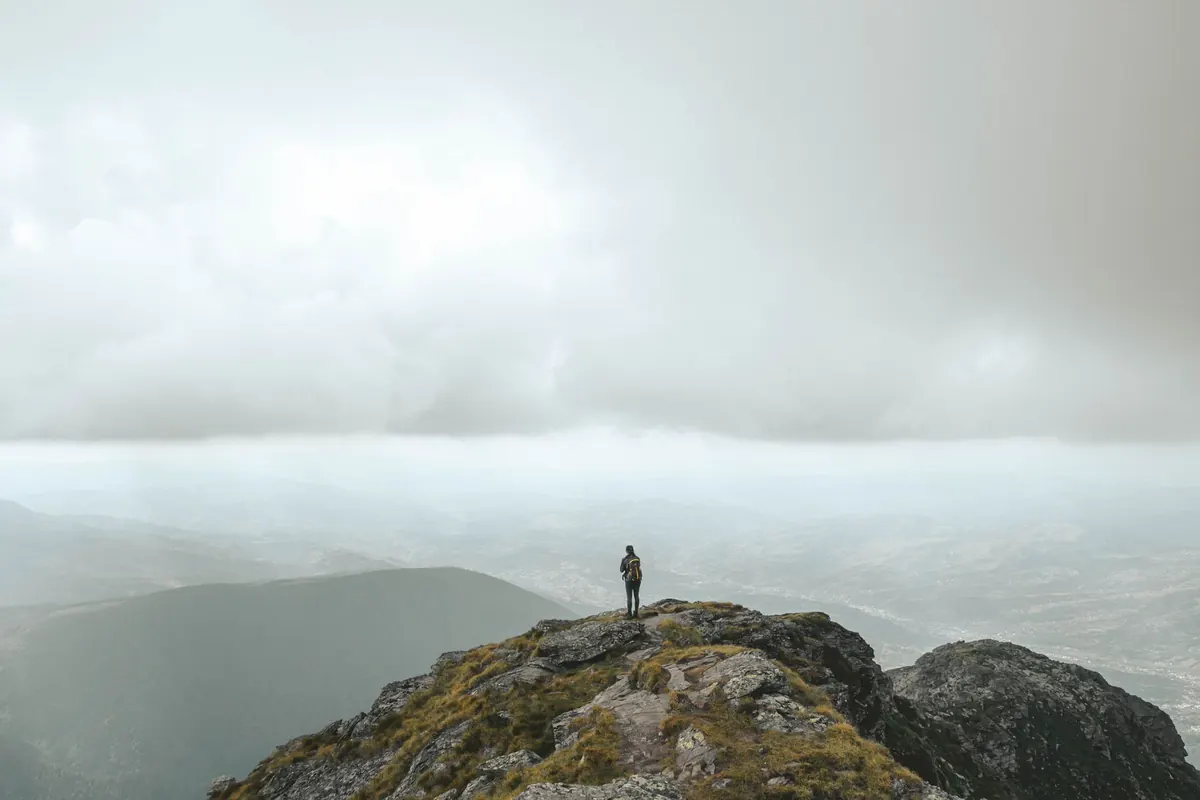
We stopped in the lee of a boulder, stamped our feet, and ate something. It was 10.40am. We had been going for three hours and had covered less than half the distance to the summit. The wind was stronger than forecast, the cloud was lower, and the snow underfoot was alternating between windslab and ice. We gave ourselves ten minutes to make a decision.
The temptation was to push on for another hour and reassess. But reassessing later means reassessing when you are colder, more tired, and more invested. The summit was 400 metres above us; the car park was 400 metres below. The difference was that the car park had a heater.
We turned around. The descent took less than an hour. Back at the car, we drank tea and watched the cloud swallow the ridge. No epic. No rescue. Just a decision.
What we got right, and what we got wrong
We got the big things right. We left an itinerary with someone. We carried axes, crampons, goggles, spare gloves, a shelter, and a flask. We had a map and compass and knew how to use them. We turned around before anyone became a casualty of their own ambition.
But we got smaller things wrong, and those are the ones I keep replaying. We never set a hard turn-around time before leaving the car park. We let the pace drop without naming it. We did not brief the group on what "turning around" would actually look like, so it arrived as a surprise rather than a plan. And we had all, quietly, assumed the summit was the point of the day.
In winter, the summit is optional. The car park is not. The best mountaineers I know are not the ones who reach the top most often; they are the ones who come back with their judgement intact.
Extra section: A simple decision framework for winter days
If you take one thing from a failed attempt, make it a repeatable process. On any winter day, especially in the Cairngorms, ask these questions before you leave and again at every stop:
- Can we communicate? If you cannot hear each other without shouting, your group is already fragmenting. Use hand signals and keep the weakest person in sight.
- Can we stop safely? If a five-minute break leaves someone shivering, the day is colder than your kit can manage. Turn around or descend to shelter.
- Can we navigate? Cloud, spindrift, and whiteout erase features fast. If you are relying on a GPS track you have not tested, you are relying on luck.
- Do we have an escape route? On the plateau, "down" is not always obvious. Know which corrie or bearing gets you out of the wind.
- What is the weakest person's honest answer? Ask directly. Then believe them.
None of this is complicated. It is just easy to forget when the summit is close and the forecast looked fine.
Extra section: The kit and habits that earn their place
Winter days in Scotland reward boring preparation. The following are not glamorous, but they change the day:
- Goggles and a face covering. When spindrift is horizontal, sunglasses are useless and exposed skin freezes. A buff and goggles can be the difference between moving and retreating.
- A group shelter. It weighs little and turns a desperate stop into a manageable one. Practise putting it up with gloves on.
- Spare gloves and a warm flask. Dry hands and hot liquid restore judgement faster than any pep talk.
- A written turn-around time. Write it on the map or a wristband. "We turn around at 11am, no matter what" removes the debate when you are tired.
- Recent practice. Crampon technique and ice-axe arrest are perishable skills. A morning refreshing them on an easy slope is worth more than another piece of gear.
Why the failed day still counted
We did not stand on Cairn Gorm that day. But we learned more than we would have from a calm, clear summit. We learned that "fine" forecasts can hide dangerous wind. We learned that the hardest person to manage is the one who does not want to speak up. We learned that turning around is not a failure of ambition; it is a skill, and like any skill it improves with practice.
I will go back. Probably in March, on a day with lighter winds and better visibility. I will set a turn-around time at the car. I will ask the direct question earlier. And I will remember that the best days in the Cairngorms are not always the ones where you reach the top — they are the ones where you come home with a story, a lesson, and everyone still talking to each other.
Photo: Julius_Silver / Pixabay